




Table of Contents
Last updated: 30 June 2026
Direct Answer: Are Rural Business Development Grants Available in the UK?
Yes, rural business development grants are available in the UK, but there is no single UK-wide grant that covers every rural business in the same way.
Funding depends on where the business is based, the type of project, the sector, and whether the grant is being delivered by a local council, devolved government, rural payments body, enterprise agency or another public funding programme.
In England, rural business funding has commonly been delivered through schemes such as the Rural England Prosperity Fund, local authority business grants, and Defra farming and land management grants.
In Northern Ireland, the Rural Business Development Grant Scheme provides capital grants to eligible rural micro-businesses. Wales and Scotland also have their own rural, farming, food, forestry, tourism, innovation and business support programmes.
Key Takeaways:
- Rural business development grants in the UK are usually location-specific, not one national scheme for all businesses.
- In England, many rural business grants are delivered through local councils, often linked to economic growth, capital investment, farm diversification, community infrastructure or productivity.
- In Northern Ireland, the Rural Business Development Grant Scheme 2026/2027 opened on 29 June 2026 and closes at 12 noon on 30 July 2026.
- In Wales, rural funding is mainly linked to agriculture, food, horticulture, woodland, environmental improvement and rural payments schemes.
- In Scotland, rural businesses may find support through Scottish Enterprise, Highlands and Islands Enterprise, South of Scotland Enterprise, Business Gateway, rural payments and sector-specific schemes.
- Most rural grants are competitive and require match funding, evidence of need, quotes, a clear business case and proof that the project will improve growth, productivity, sustainability or local employment.
What Are Rural Business Development Grants?

Rural business development grants are public funding schemes designed to help businesses in rural areas invest in growth, productivity, diversification, innovation, sustainability or local economic development.
They may support capital equipment, premises improvements, technology, energy efficiency, tourism facilities, farm diversification, food production, forestry, horticulture, business expansion or community-based enterprise projects.
Unlike a standard business loan, a grant usually does not need to be repaid if the applicant meets the scheme conditions. However, grants are not free money.
Most schemes have strict eligibility rules, spending deadlines, evidence requirements and reporting duties. Many grants also require the business to pay part of the project cost through match funding.
For UK businesses, the most important point is that rural grant availability depends heavily on the nation, county, council area and sector.
Why Do Rural Business Grants Matter in the UK?
Rural businesses often face different challenges from urban firms. These can include weaker transport links, lower digital connectivity, smaller local labour markets, higher delivery costs, seasonal trade, limited access to business premises and reduced access to specialist support.
The UK Government’s Rural England Prosperity Fund update notes that rural areas can face challenges such as lower productivity rates, poorer connectivity and poorer access to key services.
The fund supports capital projects for small businesses and community infrastructure in rural areas to improve productivity and strengthen rural economies and communities.
For small rural firms, the right grant can help fund projects that may otherwise be delayed or unaffordable. This can include buying new machinery, improving premises, launching a new service, creating jobs, improving energy efficiency, diversifying farm income or opening a business to new markets.
UK Rural Business Development Grants by Nation
Because business support and rural policy are partly devolved, rural funding works differently across the UK.
| UK nation | Main rural funding route | What businesses should check |
| England | Rural England Prosperity Fund, local authority grants, Defra farming and land management schemes | Local council grant pages, GOV.UK funding guidance and Defra schemes |
| Scotland | Scottish Enterprise, Highlands and Islands Enterprise, South of Scotland Enterprise, Business Gateway, rural payments | Enterprise agency support, rural payments and sector-specific funding |
| Wales | Welsh Government rural grants and payments, Business Wales, Farming Connect | Rural Payments Wales, Business Wales and scheme application windows |
| Northern Ireland | DAERA Rural Business Development Grant Scheme and other DAERA funding | DAERA guidance and local council application rules |
Rural Business Development Grants in England
In England, one of the most relevant recent rural grant routes has been the Rural England Prosperity Fund, often shortened to REPF. The REPF is linked to the wider UK Shared Prosperity Fund and supports two investment priorities: communities and place and supporting local business.
The REPF funds capital projects for small businesses and community infrastructure in rural areas. This means funding is typically used for lasting assets rather than ordinary day-to-day running costs.
Examples may include equipment, premises improvements, productive assets, business infrastructure or community facilities that support local economic growth.
Funding for the 2025 to 2026 UK Shared Prosperity Fund period could support activity from 1 April 2025 to 31 March 2026, so businesses should check whether their local council’s REPF round is still open, closed, extended or replaced by another local business support scheme.
What REPF-Style Grants May Support?
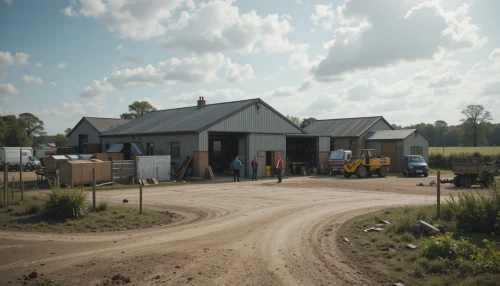
Depending on the local council rules, rural business grants in England may support:
- New equipment or machinery
- Premises improvements
- Farm diversification projects
- Business expansion
- Visitor economy and tourism improvements
- Food and drink production capacity
- Productivity improvements
- Low-carbon or energy-efficiency investments
- Rural community infrastructure
- Shared business facilities
- Digital or technology upgrades where allowed
Local authorities set their own detailed rules, so two councils may operate different grant amounts, deadlines, eligible sectors and match-funding requirements.
Defra Grants for Farmers, Growers and Land Managers in England
For farming, food production, land management and rural environmental projects, businesses in England should also check Defra and Rural Payments Agency funding.
GOV.UK’s farming funding guidance covers grants and other funding to increase productivity, manage land for environmental benefit and support agricultural businesses. The page was last updated on 3 June 2026 and applies to England.
These schemes are not always described as “rural business development grants”, but they can be highly relevant to rural businesses, especially farms, growers, foresters, landowners and agricultural enterprises.
Potential funding areas include:
- Productivity improvements
- Equipment and technology
- Animal health and welfare
- Environmental land management
- Woodland creation or improvement
- Protected landscapes
- Research and innovation
- Farm business sustainability
Rural Business Development Grants in Northern Ireland
Northern Ireland has a scheme that directly uses the phrase Rural Business Development Grant Scheme. The DAERA Rural Business Development Grant Scheme 2026/2027 supports existing rural micro-businesses with small capital grants. It is funded through the Tackling Rural Poverty and Social Isolation Framework and administered by local councils.
Key Details for Northern Ireland
The 2026/2027 scheme is open from Monday 29 June 2026 until 12 noon on Thursday 30 July 2026. Applicants must attend a Pre-Funding Workshop before applying, and applications will not be considered if the applicant does not attend one.
The scheme provides funding of up to 50% of eligible capital costs, with grants from £500 to £7,500. The total capital project cost must be at least £1,000 and must not exceed £30,000. Applicants must provide the remaining match funding.
Who Can Apply in Northern Ireland?
A business may be eligible if it is:
- Based in a rural area
- An existing registered private business or social economy enterprise
- Actively trading commercially
- Employing fewer than 10 full-time equivalent employees
- Able to provide business evidence, such as self-assessment or limited company details
- Able to provide required quotes or price checks
- Properly insured or willing to obtain relevant insurance
- Using a dedicated business bank account
- Represented by an applicant aged 18 or above
- Represented by someone who has attended a mandatory pre-funding workshop
DAERA states that applications are invited from rural micro-businesses, and only businesses located in rural areas whose primary services or activities are provided in rural areas will be accepted.
What Can the Northern Ireland Grant Be Used For?
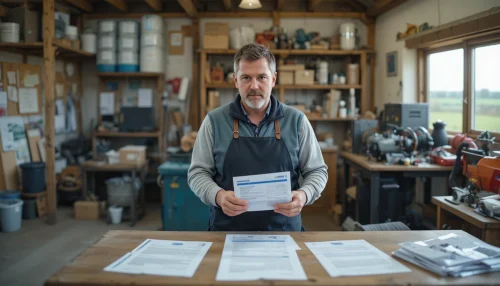
The scheme supports capital equipment that helps rural micro-businesses improve sustainability, competitiveness, innovation, service expansion or access to new markets. DAERA’s announcement states that the 2026/2027 scheme has a total fund of £4 million, and that eligible rural businesses should contact their local council for scheme details and application support.
Rural Business Grants in Wales
Wales has a separate rural funding system through Welsh Government rural grants, Rural Payments Wales and Business Wales support. Current and recent schemes include funding for food businesses, woodland creation, small grants, horticulture, environmental improvements and agriculture-related investment.
The Welsh Government publishes rural scheme application dates, including open and closing windows. For example, the Woodland Creation Grant opened on 4 March 2026 and closes on 20 November 2026, while the Woodland Creation Planning Scheme has a 2026 window running from 1 January 2026 to 31 December 2026.
The Welsh Government’s rural grants and payments page lists schemes such as Small Grants – Efficiency, Small Grants – Environment, Small Grants – Horticulture Start Up, Small Grants – Woodland Creation, Sustainable Farming Scheme, and Woodland Creation Grant.
Who Should Check Welsh Rural Grants?
Welsh rural grant support may be relevant for:
- Farmers
- Growers
- Food producers
- Horticulture businesses
- Forestry and woodland projects
- Rural land-based enterprises
- Agricultural diversification projects
- Environmental improvement projects
- Rural businesses linked to sustainable land management
Businesses should check both Business Wales and Rural Payments Wales because not every grant is listed in the same place.
Rural Business Grants in Scotland
In Scotland, rural business support is spread across enterprise agencies, local support bodies and rural payment schemes. Scottish Enterprise says it helps businesses navigate grants, loans and funding, and directs businesses to funding calls, public sector funding, regional support and investment options.
Relevant support routes may include:
- Scottish Enterprise
- Highlands and Islands Enterprise
- South of Scotland Enterprise
- Business Gateway
- Find Business Support Scotland
- Rural Payments and Services
- Scottish Rural Development Programme-related support
- Local authority grants
- Sector-specific funds for food, drink, tourism, energy, innovation or land use
The Scottish Rural Development Programme funds economic, environmental and social measures for rural Scotland. Its priorities include enhancing the rural economy, supporting agricultural and forestry businesses, improving the natural environment, addressing climate change and supporting rural communities.
Who Is Eligible for Rural Business Development Grants?
Eligibility depends on the scheme, but most UK rural business grants look at several common factors.
Common Eligibility Requirements
A business may need to show that it:
- Is located in an eligible rural area
- Is actively trading
- Is a micro, small or medium-sized business
- Has a clear business need
- Can provide match funding
- Can complete the project by the deadline
- Has not already purchased the items before approval
- Can provide quotes for proposed spending
- Can show how the project improves growth, productivity, sustainability or jobs
- Has relevant insurance, accounts and business registration evidence
- Complies with subsidy control rules where applicable
Some grants are open only to specific sectors, such as farming, forestry, food processing, tourism, manufacturing, rural services, community enterprises or social economy businesses.
What Can Rural Business Grants Be Used For?

Eligible spending varies by scheme, but rural business grants often support capital investment rather than day-to-day operating costs.
Common Eligible Costs
| Cost type | Examples |
| Equipment | Machinery, tools, production equipment, commercial kitchen equipment, workshop equipment |
| Premises | Renovation, improvement, adaptation, visitor facilities, accessibility improvements |
| Technology | Digital systems, productivity software, specialist equipment, automation |
| Farm diversification | Farm shops, visitor accommodation, food production, processing facilities |
| Tourism | Rural attractions, visitor facilities, accommodation improvements, experience-based services |
| Sustainability | Energy efficiency, resource efficiency, low-carbon equipment |
| Food and drink | Processing, storage, packaging, distribution equipment |
| Forestry and woodland | Woodland creation, planning, restoration and management |
| Business growth | Capacity expansion, new product lines, new markets or service expansion |
Common Ineligible Costs
Many schemes will not fund:
- Staff wages
- Rent
- Utility bills
- Loan repayments
- VAT if recoverable
- Stock for resale
- Routine maintenance
- Like-for-like replacement without growth benefit
- Items bought before grant approval
- Personal vehicles unless clearly eligible
- General marketing unless the scheme specifically allows it
Applicants should always check the scheme guidance before spending money. Most grant providers will reject claims for costs incurred before an offer letter or formal approval.
How Much Funding Can Rural Businesses Get?
The amount available depends on the scheme and location. In Northern Ireland’s 2026/2027 Rural Business Development Grant Scheme, eligible rural micro-businesses can apply for between £500 and £7,500, covering up to 50% of eligible capital costs.
In England, REPF-style grants have varied by council area because local authorities manage their own allocations and application rules. In Wales and Scotland, grant amounts vary by scheme, sector and project type.
As a general rule, rural business grants may cover a percentage of eligible costs rather than the full project cost. This means the business must often pay the balance from its own funds, loan finance or another approved source.
How to Apply for Rural Business Development Grants in the UK?

1. Identify the Right Funding Route
Start with your location. A business in rural Devon, Powys, Aberdeenshire or County Fermanagh may need to apply through completely different funding routes.
Useful places to check include:
- Your local council website
- GOV.UK business finance and farming funding pages
- DAERA in Northern Ireland
- Business Wales and Rural Payments Wales
- Scottish Enterprise and Find Business Support Scotland
- Highlands and Islands Enterprise
- South of Scotland Enterprise
- Business Gateway
- Local enterprise partnerships or growth hubs where relevant
2. Check Rural Area Eligibility
Do not assume your business qualifies just because it is outside a city. Grant providers often use formal rural definitions, postcode checks, local authority boundaries or population thresholds.
3. Read the Full Guidance Notes
Before preparing an application, read the full guidance.
This should explain:
- Who can apply
- What the grant can fund
- Minimum and maximum grant amounts
- Match-funding rules
- Required documents
- Application deadlines
- Claim deadlines
- Scoring criteria
- Subsidy control rules
- Procurement or quote requirements
4. Prepare a Clear Business Case
A strong application should explain:
- What the business does
- Why the project is needed
- What will be purchased or improved
- How the project supports growth
- How the grant will improve productivity, sustainability or resilience
- Whether jobs will be created or protected
- How the project benefits the local rural economy
- Why the project cannot proceed in the same way without grant support
5. Gather Evidence
Most rural grant applications require evidence such as:
- Business registration details
- Accounts or turnover evidence
- Bank account details
- Insurance documents
- Planning permission if relevant
- Landlord permission if relevant
- Quotes or price comparisons
- Project cost breakdown
- Match-funding evidence
- Photos of current premises or equipment
- A business plan or cash-flow forecast where required
6. Do Not Start the Project Too Early
Many grants will not fund work that has already started or items already purchased. Wait for written approval before committing to spend, unless the guidance clearly says otherwise.
7. Submit Before the Deadline
Rural grant deadlines are strict. For Northern Ireland’s 2026/2027 RBDGS, applications close at 12 noon on 30 July 2026. Other UK schemes have different closing dates, and some local council funds close early once all money has been allocated.
What Makes a Strong Grant Application?
A strong rural business grant application is specific, evidenced and realistic. It does not simply say the business needs funding. It explains exactly how the funding will create a measurable benefit.
Strong Applications Usually Show:
- A clear rural business need
- A realistic project budget
- Direct link between the grant and business growth
- Evidence of demand for the product or service
- Match funding already secured
- Quotes that meet the scheme rules
- Clear delivery timeline
- Job creation or job protection where relevant
- Improved productivity, sustainability or resilience
- Benefit to the wider rural economy
- Compliance with planning, licensing and insurance requirements
Common Mistakes to Avoid
Applying for the Wrong Scheme
Not every rural grant is open to every business. Some are for farms only, some for micro-businesses, some for community organisations, some for capital equipment and some for environmental land management.
Missing the Workshop Requirement
In Northern Ireland, applicants to the 2026/2027 Rural Business Development Grant Scheme must attend a Pre-Funding Workshop before applying. Applications will not be considered if this requirement is not met.
Buying Equipment Before Approval
Many grant schemes will not reimburse items bought before formal approval. This is one of the easiest ways to lose eligibility.
Weak Quotes or Cost Evidence
If the scheme asks for two quotes, price checks or formal written estimates, provide them in the correct format. Poor cost evidence can delay or weaken an application.
Vague Growth Claims
Statements like “this will help the business grow” are usually not enough. Explain how growth will happen, what will change, and how the investment will improve revenue, capacity, productivity, services or jobs.
Ignoring Local Council Rules
Local council-administered grants can vary even when they are funded from the same national programme. Always read the local version of the guidance.
Examples of Rural Business Projects That May Be Funded
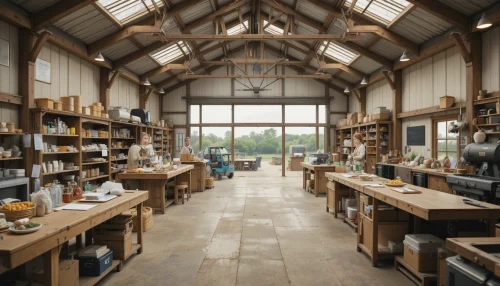
Farm Diversification
A working farm may apply for funding to create a farm shop, small visitor facility, food processing area, glamping unit, educational experience or direct-to-consumer product line.
Rural Manufacturing
A rural manufacturer may seek support for machinery that increases production capacity, reduces waste or allows the business to enter a new market.
Food and Drink Production
A small food producer may apply for equipment to improve preparation, storage, packaging or distribution.
Rural Tourism
A tourism business may apply for capital improvements that increase visitor numbers, extend the season or improve accessibility.
Forestry or Woodland Enterprise
A land-based business may seek support for woodland creation, restoration or planning where an eligible scheme is open.
Micro-Business Equipment
A rural micro-business in Northern Ireland may apply for capital equipment through the DAERA Rural Business Development Grant Scheme if it meets the scheme rules.
Conclusion
Rural business development grants in the UK can provide valuable support for businesses that want to invest in equipment, premises, diversification, productivity, sustainability or local economic growth.
However, the funding landscape is fragmented. A business in England may need to look at local council grants or Defra schemes, while a business in Northern Ireland may apply through DAERA and its local council. Wales and Scotland have their own rural funding systems, enterprise agencies and rural payments routes.
The best approach is to check location-specific schemes first, read the guidance carefully, confirm rural eligibility, prepare match funding, gather quotes and submit a strong business case before the deadline. Rural grants are competitive, but a well-prepared application can help a business unlock funding for long-term growth.
Rural Business Development Grants UK: FAQs
Are rural business development grants available across the UK?
Yes, but they are not delivered through one single UK-wide scheme. England, Scotland, Wales and Northern Ireland each have different rural funding routes, and many grants are delivered through local councils or devolved government bodies.
Can a small business apply for a rural business grant?
Yes, in many cases. Eligibility depends on the scheme, business size, rural location, project type and funding purpose. Some schemes are only for farms or land-based businesses, while others support wider rural micro-businesses or SMEs.
What is the Rural Business Development Grant Scheme in Northern Ireland?
It is a DAERA-funded capital grant scheme for eligible rural micro-businesses. For 2026/2027, grants are available from £500 to £7,500 and can cover up to 50% of eligible capital costs. The scheme opened on 29 June 2026 and closes at 12 noon on 30 July 2026.
What is the Rural England Prosperity Fund?
The Rural England Prosperity Fund supports capital projects for small businesses and community infrastructure in rural areas. It is linked to UKSPF investment priorities, including supporting local business and communities and place.
Can rural grants pay for wages or rent?
Usually not. Many rural business grants are for capital expenditure, such as equipment, premises improvements or productive assets. Revenue costs such as wages, rent and utility bills are often excluded unless a specific scheme says otherwise.
Do rural business grants need match funding?
Often, yes. Many grants cover only a percentage of eligible costs. For example, Northern Ireland’s RBDGS 2026/2027 can fund up to 50% of eligible capital costs, with the applicant providing the remaining match funding.
Where should a UK business look first?
A business should start with its local council, devolved government business support site and sector-specific funding body. For England, check local council and GOV.UK guidance. For Wales, check Business Wales and Rural Payments Wales.
For Scotland, check Find Business Support Scotland, Scottish Enterprise, Highlands and Islands Enterprise or South of Scotland Enterprise. For Northern Ireland, check DAERA and the local council.
Sources:
- GOV.UK – Rural England Prosperity Fund: prospectus updates for 2025 to 2026
- GOV.UK – UK Shared Prosperity Fund 2025-26 technical note
- GOV.UK – Funding for farmers, growers and land managers
- DAERA – Rural Business Development Grant Scheme guidance for applicants
- DAERA – £4 million Rural Business Development Grant Scheme 2026/2027 opens for applications
- GOV.WALES – Rural schemes: application dates
- GOV.WALES – Rural grants and payments
- Scottish Enterprise – Funding and grants for businesses in Scotland
- Scottish Government – Scottish Rural Development Programme