




Table of Contents
When driving in the UK, understanding parking regulations is essential for ensuring both your safety and the safety of others on the road.
One particular rule that often causes confusion is about how close you can park to a junction.
Many drivers are unaware of the specific guidelines and the potential consequences for not following them. If you’ve ever wondered what’s the nearest you may park to a junction in the UK, you’re not alone.
While it may seem like a simple question, there are important factors to consider, such as visibility, safety, and legal requirements.
In this article, we’ll dive into the parking laws surrounding junctions, uncover the exceptions to the rule, and explore why understanding this rule is crucial for every driver.
What’s the Nearest You May Park to a Junction?
The legal distance you must park from a junction in the UK is 10 metres (32 feet). This rule applies to all types of junctions, including T-junctions, crossroads, and roundabouts, unless specific signage states otherwise.
The primary reason for this regulation is to maintain clear visibility for all road users, reducing the likelihood of accidents.
Parking too close to a junction obstructs the view of approaching drivers, cyclists, and pedestrians, making it difficult to judge when it is safe to proceed.
Even in areas where no road markings are present, this legal requirement still applies. Some councils impose additional restrictions depending on traffic conditions, using double yellow lines, controlled parking zones (CPZs), or no-parking signs.
Drivers should always check local parking signs before parking near a junction to avoid fines.
The safest and most responsible approach is to park beyond the 10-metre limit, ensuring compliance with UK parking laws.
What Does the Highway Code Say About Parking Near a Junction?

The Highway Code, which sets out rules for safe driving and parking, explicitly mentions restrictions for parking near junctions.
According to Rule 243, drivers must not park within 10 metres (32 feet) of a junction unless signs indicate otherwise. This applies to both T-junctions and crossroads, ensuring that turning vehicles have a clear view of the road.
This rule is in place to reduce accidents by maintaining good visibility for drivers approaching or exiting a junction.
When vehicles are parked too close, they obstruct sightlines, making it difficult for other road users to see oncoming traffic.
In some areas, local councils impose even stricter parking restrictions, which may be indicated by yellow lines, signage, or controlled parking zones.
Ignoring this rule can result in fines and penalties, as authorities actively enforce these regulations to maintain road safety.
Why Are There Parking Restrictions Near Junctions?
Parking near a junction is restricted due to several safety concerns and traffic management principles.
These restrictions help maintain smooth traffic flow and reduce the likelihood of accidents.
Key Reasons for Parking Restrictions Near Junctions
- Improved Visibility: Vehicles parked too close to a junction block sightlines for drivers, cyclists, and pedestrians.
- Reduced Risk of Collisions: Poor visibility can lead to accidents, especially when drivers or cyclists cannot see approaching vehicles.
- Safer Pedestrian Crossings: Pedestrians crossing at junctions need a clear view of traffic to cross safely.
- Better Traffic Flow: Parked vehicles can obstruct turning vehicles, causing congestion and delays.
- Emergency Vehicle Access: Emergency services require unobstructed access to respond quickly to incidents.
These regulations help keep roads safe and accessible, ensuring that all road users, including pedestrians and emergency vehicles, can navigate junctions without unnecessary risks.
Why Is Parking Near a Junction Considered Dangerous?

Parking too close to a junction presents serious risks for both drivers and pedestrians.
Many road accidents occur because of reduced visibility and obstructed pathways caused by poorly parked vehicles. Here are the dangers of parking too close to a junction:
Blocked Sightlines
Parking near junctions can obstruct drivers’ view of oncoming traffic, increasing the risk of accidents. Limited visibility makes it harder to judge safe gaps for turning.
Unexpected Obstructions
Vehicles parked too close to junctions force drivers to adjust suddenly, leading to confusion and a higher chance of collisions. These last-minute moves can create unpredictable traffic situations.
Hazards for Cyclists and Pedestrians
Poor visibility near junctions makes it challenging for cyclists and pedestrians to cross safely. It increases the risk of accidents involving vulnerable road users.
Higher Risk of Rear-End Collisions
Stopped vehicles near junctions may cause sudden braking, leading to rear-end collisions. This can result in multi-vehicle accidents due to the unexpected stop
Parking restrictions near junctions are enforced to prevent these dangers and ensure that all road users can navigate safely.
Are There Any Exceptions to the Junction Parking Rule?
While the 10-metre rule is a general requirement, certain exceptions allow vehicles to park closer in specific situations.
Common Exceptions
- Designated Parking Bays: Some junctions have marked bays where parking is legally permitted.
- Loading and Unloading: In some cases, commercial vehicles may temporarily stop near junctions for deliveries.
- Disabled Parking (Blue Badge Holders): Some blue badge holders may be permitted to park closer, depending on local council regulations.
- Emergency Situations: If a vehicle breaks down near a junction, temporary parking may be unavoidable.
Despite these exceptions, drivers must always ensure they do not obstruct visibility or cause danger to other road users.
What Are the Penalties for Parking Too Close to a Junction?
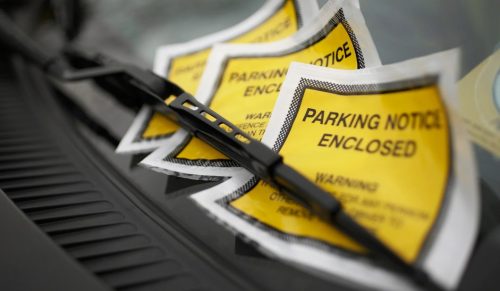
Drivers who park too close to a junction may face fines and penalties depending on local regulations. The possible Penalties are:
Fixed Penalty Notices (FPNs)
Fines range from £50 to £100, depending on the severity of the parking violation. Non-payment could lead to increased fines.
Penalty Points
In some cases, parking near junctions may result in three penalty points on the driver’s licence. Accumulating points can lead to disqualification.
Towing and Impound Fees
Vehicles considered a hazard may be towed away at the driver’s expense. Retrieval fees and daily storage costs apply.
Higher Insurance Costs
Parking fines and penalty points may impact car insurance premiums. Insurers often increase rates for drivers with a history of violations.
To avoid these penalties, always check road signs and park in designated areas.
How Do Authorities Enforce Parking Laws Near Junctions?
Parking laws near junctions are actively monitored and enforced by local councils, parking wardens, and traffic enforcement officers.
The goal is to prevent illegal parking that could cause accidents, obstruct traffic, or reduce visibility.
Enforcement Methods
- Traffic Wardens: Patrol officers regularly monitor streets and issue fines to vehicles that violate parking rules.
- CCTV Cameras: Many urban areas use CCTV surveillance to detect and issue fines for illegal parking.
- Public Reporting: Citizens can report illegally parked vehicles to local councils, which may result in enforcement action.
- Towing and Removal: If a vehicle is deemed a significant hazard, it may be removed and impounded, with the owner responsible for retrieval costs.
Drivers should always be aware of enforcement practices and park responsibly to avoid unnecessary penalties.
Are There Additional Parking Rules to Consider Near Junctions?

Aside from the 10-metre rule, there are several other parking restrictions that drivers must follow near junctions.
These rules are designed to ensure the smooth flow of traffic and prevent obstructions.
Additional Parking Restrictions
- Double Yellow Lines: Parking is prohibited at all times on roads with double yellow lines, including those near junctions.
- Single Yellow Lines: Parking is restricted during specific hours, which are displayed on nearby signs.
- Controlled Parking Zones (CPZs): Some areas require a valid permit to park legally.
- Bus Stops and Pedestrian Crossings: Parking near a bus stop or crossing is illegal as it can endanger pedestrians and block public transport routes.
To avoid fines, always check road markings and signage before parking near a junction.
What Are the Best Practices for Parking Safely and Legally in the UK?
Safe and legal parking is essential for avoiding fines, maintaining road safety, and ensuring smooth traffic flow.
Following best practices can help drivers park responsibly and reduce the risk of accidents.
Check Road Signs and Markings
Always look for yellow lines, controlled parking zones, and no-parking signs before stopping. These markings indicate where parking is restricted or prohibited.
Avoid Parking Near Junctions, Crossings, and Bends
These areas require clear visibility for all road users. Parking too close can obstruct the view and increase the risk of accidents.
Use Designated Parking Areas
Opt for public car parks or marked parking bays whenever possible. These areas are designated for safe and legal parking, reducing the chance of fines.
Do Not Block Driveways or Access Points
Ensure your vehicle does not obstruct entrances, exits, or emergency vehicle routes. Blocking driveways can cause inconvenience and potential fines.
Plan Ahead
If you’re unsure about parking rules, look up local restrictions online or use parking apps. Planning ahead helps you avoid parking in restricted areas and prevent fines
By following these guidelines, drivers can avoid penalties and contribute to safer roads.
What Should You Do If You Receive a Fine for Parking Near a Junction?

If you receive a parking fine for stopping too close to a junction, there are steps you can take to resolve the issue.
Understanding your rights and options can help you avoid unnecessary penalties.
Steps to Handle a Parking Fine
- Check the Penalty Details: Verify that the fine was issued correctly and matches your vehicle’s details.
- Appeal if Necessary: If you believe the fine was unfair, you can challenge it through the local council or the Traffic Penalty Tribunal.
- Gather Evidence: If you were parked legally, take photos of your vehicle, road signs, and markings to support your appeal.
- Pay the Fine on Time: If the fine is valid, paying early may reduce the penalty amount.
Taking these steps can help ensure that drivers handle parking fines fairly and efficiently.
Conclusion
Parking near a junction is regulated to maintain road safety, prevent obstructions, and reduce accidents.
The Highway Code clearly states that vehicles must be parked at least 10 metres away from a junction, ensuring clear visibility for all road users. Parking too close can result in fines, penalty points, or even vehicle removal.
By understanding exceptions, enforcement methods, and best practices, drivers can avoid fines and contribute to a safer driving environment.
Always check for parking restrictions, follow legal guidelines, and park responsibly to ensure compliance with UK traffic laws.
FAQs
What is considered illegal parking in the UK?
Illegal parking includes stopping on double yellow lines, parking too close to a junction, blocking driveways, or ignoring controlled parking zone rules.
Can I park near a junction if there are no road markings?
Yes, the 10-metre rule applies even if there are no markings, as stated in the Highway Code. Always ensure your vehicle does not obstruct visibility or traffic flow.
Do parking restrictions near junctions apply at all times?
Yes, the Highway Code’s 10-metre rule applies 24/7 unless road signs indicate otherwise. Some areas may have additional time-based restrictions enforced by local councils.
How do I report a vehicle parked illegally near a junction?
You can report illegal parking to your local council or law enforcement via their website or helpline. Some areas also have online portals for submitting evidence, such as photos.
Are parking rules different for residential streets and main roads?
Yes, residential areas may have permit zones, while main roads often have stricter restrictions like double yellow lines or controlled parking zones. Always check for local signs before parking.
Can emergency vehicles override parking restrictions near junctions?
Yes, emergency vehicles responding to incidents can legally stop near junctions if necessary. However, personal vehicles must always follow standard parking laws.
How do I challenge a parking fine for stopping near a junction?
You can appeal a fine through the issuing authority, providing evidence like unclear signage or incorrect penalty issuance. If rejected, you may escalate the appeal to an independent tribunal.
