



Table of Contents
Choosing between repurposed lighting and new fixtures involves more than comparing the initial purchase price. Commercial projects also need to consider lifespan, performance, energy efficiency, design, and waste.
New fixtures offer a straightforward route when a completely new lighting solution is required. However, repurposing can provide another option where existing materials or products have further potential.
The better choice depends on what the project needs and what existing resources can offer. A closer look at lifespan, quality, cost, and design can make that decision clearer.
Start With What Can Still Be Used
Repurposing begins by looking at materials differently. Items considered waste can sometimes become valuable components of functional lighting.
Air-conditioning ducts, handrails, and structural beams can become lighting fittings. Copper pipes, scrap metal, reclaimed beams, and floorboards offer further possibilities. Concrete slabs, ceramic tiles, mosaic tiles, and pallets can also be incorporated.
Even old furniture and discarded objects can become part of a lighting solution. This creates an important distinction from buying new. Repurposed lighting can retain value from materials that would otherwise enter the waste stream.
How Does Repurposing Compare With New Fixtures?
New fixtures provide a familiar solution with a defined product specification. Repurposing takes a different route. This works by adapting existing products or materials.
Upcycling transforms old products into something of higher value. Remanufacturing gives products another life using reused, repaired, and new parts.
Importantly, remanufactured products can match or surpass their original quality. This approach can also include a warranty comparable to brand-new items.
Conversions provide another option. Existing products can receive updated light sources without complete replacement.
For example, an incandescent fitting can be converted to LED technology. This can extend its usefulness while introducing a more modern light source.
Long-Term Value Depends on Product Lifespan
A product’s lifespan can influence its overall value significantly. Repurposing aims to extend the useful life of products and materials.
This can reduce waste while keeping resources in use for longer. It can also support energy efficiency and significant energy savings.
These factors make repurposed lighting an option worth considering when long-term value matters. The value comes from extending usefulness rather than simply introducing something new.
New fixtures can still make sense where an existing product cannot provide the required solution. Repurposing works best when materials or products have further potential.
From Inspection to Testing: Quality Control Remains Central to Repurposing
Sustainable choices need to meet practical expectations. Lighting must remain reliable, functional, and suitable for its intended environment.
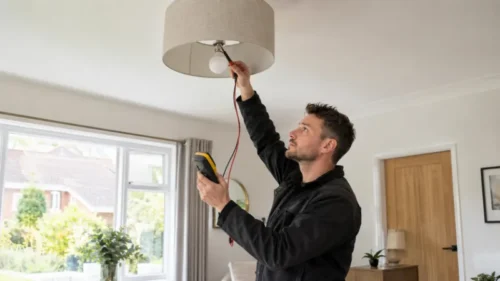
Repurposed products can undergo individual quality testing before completion. High-quality lighting components with full conformities and accreditations are also used.
The repurposing workflow includes several stages, including collection, cleaning, inspection, disassembly, component reprocessing, and reassembly.
Rigorous testing follows these stages. This structured process helps ensure that sustainability does not mean accepting compromised quality.
Design Can Add Another Layer of Value
Long-term value is not limited to technical performance. Commercial lighting can also influence the character and appearance of an interior.
Repurposed materials can create a distinctive, one-of-a-kind look. Specially crafted glass, fresh paint finishes, and lighting upgrades can provide further customisation.
This creates possibilities that standard products may not always offer. Existing materials can become part of a lighting design with its own visual identity. The result can combine style and functionality.
Technology Can Transform Unusual Waste
Technology can expand the possibilities of what becomes a lighting product. 3D printing provides a strong example of this approach. Used coffee bean husks can be transformed into an eco-friendly 3D-printed downlight.
This product, known as The Coffee Beam, demonstrates how unusual waste can gain functional value. Repurposing is not limited to simply modifying old fixtures.
Repurposed lighting can also involve creating innovative products from unexpected discarded materials. This expands the conversation beyond replacement versus reuse.
It considers what new value can be created from materials already available.
Which Option Offers Better Long-Term Value?
There is no single answer for every commercial project. New fixtures can provide a suitable solution when existing products or materials offer limited potential. However, repurposing can deliver substantial value when resources can be reused, upgraded, or transformed.
It can combine extended product life, energy efficiency, quality, affordability, and distinctive design. The decision should therefore consider more than whether a product is new.
Repurposed lighting can provide a practical alternative when existing resources still have value. For commercial projects, assessing that potential first can lead to a more considered lighting investment.
