



Table of Contents
If the Department for Work and Pensions says your State Pension has been overpaid, do not ignore the letter. First, check the amount, the dates, the reason for the overpayment, and the reference number. Then contact the relevant DWP team if anything is unclear.
A State Pension overpayment can happen because of a delayed change of circumstances, a calculation error, incorrect records, payments made after death, or problems with linked benefits such as Pension Credit. DWP may recover overpaid money, but you can ask for an explanation, challenge the decision through mandatory reconsideration, appeal if eligible, or ask DWP Debt Management to consider an affordable repayment plan.
For repayment issues, the main DWP Debt Management contact number is 0800 916 0647. The line is usually open Monday to Friday, 8am to 7:30pm. The Business View also has a helpful guide to the 0800 916 0647 DWP Debt Management number if readers want to understand who may be calling and how to check whether a contact is genuine.
Last Updated: July 2026
What Is a DWP State Pension Overpayment?
A DWP State Pension overpayment happens when someone receives more State Pension than they were entitled to receive for a particular period.
This does not always mean the person has done anything wrong. Overpayments can be caused by claimant error, official error, delayed updates, system problems, missing records, payments after death, or a misunderstanding about how State Pension interacts with other benefits.
GOV.UK explains that benefit overpayments may need to be repaid where, for example, incorrect information was given, a change of circumstances was not reported quickly enough, or a mistake was made with the payment. Readers can check the official GOV.UK benefit overpayments guidance for the latest government wording.
In the financial year ending 2026, DWP estimated that State Pension overpayments were 0.2% of State Pension expenditure, equal to around £230 million. Although this is low compared with many other benefits, it still affects real pensioners and families who may suddenly receive repayment letters.
Why Does DWP Overpay State Pensions?
State Pension overpayments can happen for several reasons. Some involve changes the pensioner needed to report, while others may be caused by DWP processing delays or administrative mistakes.
1. A Change of Circumstances Was Reported Late
People receiving State Pension or the over 80 pension must tell the Pension Service about certain changes. These include moving address, changing bank details, moving abroad permanently, going into a residential care home, getting married, divorcing, becoming widowed, going to prison, or being held in legal custody.
The official GOV.UK page for reporting State Pension changes explains which changes must be reported and how to contact the Pension Service.
If a change is reported late, the person may continue receiving payments at the old rate for longer than they should.
2. DWP Processes the Update Too Slowly
Sometimes a pensioner or family member does report a change, but the system is not updated quickly enough. This can happen after a death, a change of address, a move abroad, or a change in marital status.
In these cases, it is important to keep proof of contact, including letters, call dates, online reference numbers, and names of anyone spoken to at DWP.
3. The State Pension Was Calculated Incorrectly
State Pension calculations can be complex, particularly for people who reached State Pension age before April 2016, people with inherited entitlement from a spouse or civil partner, people who were divorced or widowed, and those with gaps or corrections in National Insurance records.
The National Audit Office has previously highlighted that State Pension errors can arise because of complex rules, older IT systems, and manual processing. Readers who are unsure whether their payment is correct can contact the Pension Service for State Pension information.
4. Payments Continued After Someone Died
A common and distressing situation occurs when State Pension payments continue after a person has died. This can happen because DWP has not yet been notified or because a payment cycle was already in progress.
GOV.UK says DWP can recover benefit overpayments from a person’s estate. If someone is dealing with the estate, DWP may write after probate has been granted to request information and explain whether money must be repaid. The official guidance on repayments when someone has died explains this process.
5. Pension Credit or Another Benefit Was Affected
Some pensioners receive State Pension alongside Pension Credit, Housing Benefit, Council Tax Reduction, Attendance Allowance, or other support. State Pension itself is not means-tested in the same way as Pension Credit, but income-related benefits can change if income, savings, living arrangements, or partner circumstances change.
For example, a change in income could affect Pension Credit. Readers can also review The Business View’s guide on what qualifies for Council Tax Reduction if they receive council support alongside pension income.
Is a DWP Overpayment Letter Always Correct?
No. A DWP overpayment letter should be taken seriously, but it should not be assumed to be correct without checking.
An overpayment notice should normally explain:
- the amount DWP says was overpaid
- the benefit or pension involved
- the period covered by the overpayment
- the reason for the overpayment
- how DWP expects repayment to be made
- what to do if the person disagrees
- any reference number to use when contacting DWP
If the letter is unclear, the recipient should ask DWP for a written explanation and a breakdown of how the overpayment was calculated.
This is especially important where the overpayment relates to an older period, a deceased relative, a spouse or civil partner’s pension entitlement, a move abroad, or a suspected DWP calculation mistake.
What Should You Check Before Repaying a State Pension Overpayment?
Before making a repayment or agreeing to deductions, check the following details carefully.
| What to Check | Why It Matters |
| Name and National Insurance number | Confirms the letter relates to the correct person |
| DWP reference number | Helps confirm the case with DWP |
| Overpayment amount | Allows you to compare the demand with bank records |
| Payment dates | Shows exactly when DWP says the overpayment happened |
| Reason for overpayment | Helps identify whether the issue was a change, calculation, death, or official error |
| Whether the person still receives State Pension | Affects how repayment may be collected |
| Whether the person has died | Estate recovery rules may apply |
| Whether you disagree | You may be able to request mandatory reconsideration |
If a reader is also concerned about tax on pension income, The Business View has a separate guide on how much tax may be payable on a pension while still working in the UK.
Do You Have to Repay a DWP Overpaid State Pension?
You may have to repay a DWP State Pension overpayment if DWP decides the money was paid incorrectly and is recoverable.
However, that does not mean you should pay without checking the decision. If you think the overpayment is wrong, the amount is incorrect, DWP missed evidence, or the decision does not explain what happened, you can ask DWP to look at the decision again.
GOV.UK explains that mandatory reconsideration can be requested if someone disagrees with a benefit decision, thinks the office made an error, disagrees with the reasons, or wants the decision looked at again.
In some cases, DWP Debt Management may discuss repayment terms based on what someone can afford. This is different from challenging whether the overpayment exists. A person may need to do both: challenge the decision if they disagree, and contact Debt Management if repayment would cause hardship.
What If the Overpayment Was Caused by DWP Error?
A DWP mistake does not automatically mean the overpayment will be cancelled. Current rules can allow recovery even where the overpayment was caused by an official error.
However, if DWP made the mistake, the person should still ask for a clear explanation and consider whether to challenge the decision. This is particularly important if:
- the person reported a change but DWP did not act on it
- the calculation looks wrong
- DWP used incorrect dates
- DWP ignored letters, calls, or evidence
- the person had no reasonable way of knowing they were being overpaid
- repayment would cause serious financial hardship
If the overpayment is accepted but repayment is unaffordable, the person can ask DWP Debt Management to consider lower repayments. Independent debt help is available from organisations such as National Debtline, StepChange Debt Charity, and Citizens Advice.
How to Challenge a DWP State Pension Overpayment
If you disagree with the overpayment, you can ask DWP to look at the decision again. This is usually called a mandatory reconsideration.
Step 1: Read the Decision Letter Carefully
Check whether the letter tells you how to challenge the decision and which office to contact. Use the reference number shown in the letter.
Step 2: Ask for a Written Breakdown
Ask DWP to explain:
- how the overpayment was calculated
- which dates are included
- what rate should have been paid
- what rate was actually paid
- what evidence DWP used
- whether any reported changes were recorded
Step 3: Gather Evidence
Useful evidence may include:
- State Pension letters
- bank statements showing payments received
- call logs
- letters sent to DWP
- proof of posting
- death certificate or probate documents, where relevant
- Pension Credit or other benefit letters
- National Insurance or state pension forecast records
- notes from previous calls with the Pension Service
Step 4: Request Mandatory Reconsideration
You normally need to ask for mandatory reconsideration within one month of the decision date. Late requests may still be considered if there is a good reason, such as illness, bereavement, or another serious difficulty.
Use the official GOV.UK mandatory reconsideration guidance to check the current process.
Step 5: Appeal If the Reconsideration Does Not Resolve It
If DWP sends a mandatory reconsideration notice and you still disagree, the notice should explain whether you can appeal to an independent tribunal.
An appeal is separate from a complaint. A complaint is about poor service, delays, or how DWP handled the case. An appeal is about whether the benefit decision itself is correct.
How Do You Repay an Overpaid State Pension?
If the overpayment is confirmed and repayment is required, DWP may recover the money in different ways.
Repayment Options May Include:
| Repayment Method | How It Works |
| Online repayment service | DWP may invite you to use the official repay and manage benefit money you owe service |
| Regular deductions | If you still receive benefits or State Pension, DWP may reduce future payments |
| Direct Debit | DWP Debt Management may arrange monthly repayments |
| Debit card payment | DWP may allow payment by debit card |
| Bank transfer | Use only official details from GOV.UK or your DWP letter |
| Repayment plan | You may be able to repay in instalments based on affordability |
Never pay a bank account from a suspicious text, email, or phone call. Use the details on GOV.UK or on an official DWP letter.
What Happens If You Cannot Afford to Repay?
If repayment would cause hardship, contact DWP Debt Management as soon as possible. Do not wait until deductions have already caused serious problems.
Explain your income, essential bills, rent or mortgage, care costs, health costs, and any other debts. It may help to prepare a simple budget before calling.
DWP Debt Management says it can discuss repayment options, including what someone can afford to pay. You can also get free debt advice before agreeing to a repayment amount.
Readers dealing with wider financial pressure may also find The Business View’s guide to the DWP Cost of Living Payment useful for understanding past and current support discussions, although any current entitlement should always be checked through official GOV.UK channels.
What If the Overpayment Was Made After Someone Died?
If DWP says State Pension was overpaid after someone died, the matter is usually handled through the estate.
GOV.UK says DWP can recover benefit overpayments from a deceased person’s estate. If you are dealing with the estate, DWP may ask for information after probate has been granted. The department should explain how the overpayment was calculated and why it happened.
Key points:
- DWP normally seeks recovery from the estate.
- The person dealing with the estate should not distribute the estate until any DWP repayment position is clear.
- If the estate has already been distributed before DWP’s claim is checked, the person handling the estate may need advice.
- Relatives should not assume they are personally liable simply because they received a letter.
- The number for DWP Recovery from Estates is usually shown on the letter.
- For England and Wales, GOV.UK lists the Recovery from Estates postal address as Debt Management (RE), Mail Handling Site A, Wolverhampton, WV98 2DG.
- For Scotland, GOV.UK lists Debt Management (RES), Mail Handling Site A, Wolverhampton, WV98 2DH.
Bereaved families should be cautious, keep copies of all correspondence, and consider getting advice from a probate solicitor, Citizens Advice, or a welfare rights adviser before making payments from an estate.
DWP Overpaid State Pensions Contact Details
The right contact depends on the issue.
DWP Debt Management Contact Centre
Use this if the issue is repayment, deductions, repayment plans, or money DWP says is owed.
- Telephone: 0800 916 0647
- Relay UK: 18001 then 0800 916 0647
- Calling from abroad: +44 (0)161 904 1233
- Opening hours: Monday to Friday, 8am to 7:30pm
The Business View also explains this number in more detail in its 0800 916 0647 guide.
Pension Service Contact
Use this if the issue is your State Pension amount, reporting a change, widowed entitlement, inherited pension, missing payments, or checking State Pension records.
Telephone: 0800 731 0469
Welsh language: 0800 731 0453
Opening hours: Monday to Friday, 8am to 6pm, except public holidays
The official Contact the Pension Service page provides the latest contact options.
Recovery from Estates
Use the number on the DWP letter if the overpayment concerns someone who has died. GOV.UK gives separate postal addresses for England and Wales, Scotland, and Northern Ireland.
How to Avoid Future State Pension Overpayments?
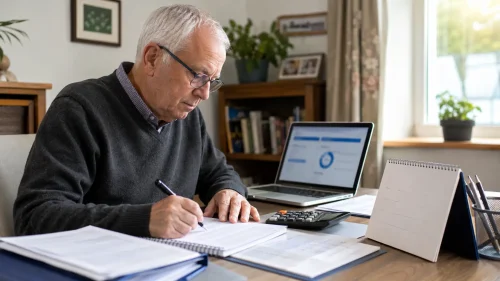
Not every overpayment can be prevented, especially where DWP makes an error. However, pensioners and families can reduce the risk by keeping clear records and reporting changes quickly.
Practical Checklist
- Report changes to the Pension Service as soon as possible.
- Keep letters and proof of posting.
- Make a note of call dates, times, and adviser names.
- Check bank payments against State Pension letters.
- Tell DWP if you move abroad permanently.
- Report a move into residential care.
- Report marriage, divorce, civil partnership changes, widowhood, or death of a spouse or civil partner.
- Check Pension Credit and other income-related benefits separately.
- Be cautious of scam texts, calls, or emails claiming to be DWP.
- Use GOV.UK links directly rather than clicking suspicious payment links.
If someone receives Tax Credits, it is also worth checking related entitlement rules. The Business View’s guide on how much you can earn and still get Tax Credits explains income-related issues that can affect older or mixed-age households.
Common Mistakes to Avoid After Receiving a DWP Overpayment Letter
Ignoring the Letter
Ignoring the letter can make the situation worse. DWP may continue recovery action, make deductions, refer the case to debt collection, or take enforcement steps in some situations.
Paying Without Checking the Details
Some repayment letters are correct, but mistakes can happen. Always check the calculation, dates, and reason.
Assuming a DWP Error Means Nothing Is Repayable
Official error overpayments can still be recoverable in some cases. The better approach is to ask for an explanation, challenge the decision if it is wrong, and discuss affordability if repayment is required.
Confusing State Pension With Pension Credit
State Pension and Pension Credit are different. State Pension is based mainly on National Insurance record and age. Pension Credit is means-tested and can be affected by income, savings, and household circumstances.
Not Keeping Evidence
If you told DWP about a change, evidence matters. Keep letters, screenshots, call notes, and proof of postage.
Confirmed Facts vs Common Misunderstandings
| Claim | Accurate Position |
| “DWP can never recover overpayments caused by its own mistake.” | Not accurate. Official error overpayments can still be recoverable, but the decision may be challenged and repayment terms can be discussed. |
| “Relatives must always repay a deceased person’s State Pension overpayment from their own money.” | Not accurate. DWP usually seeks repayment from the estate, not automatically from relatives personally. |
| “A DWP letter is always correct.” | Not accurate. The letter should be checked and challenged if the calculation or reason appears wrong. |
| “DWP overpayments always affect your credit score.” | Not automatically. But ignoring enforcement action or a court judgment could have credit consequences. |
| “State Pension and Pension Credit are the same.” | Not accurate. State Pension is a pension entitlement; Pension Credit is a means-tested benefit for people over State Pension age on a low income. |
Conclusion
A DWP State Pension overpayment can be stressful, especially when it arrives unexpectedly or relates to a deceased relative. However, the most important step is to stay calm and check the details carefully.
Ask DWP to explain how the overpayment was calculated, compare the dates with your bank statements and pension letters, and gather evidence of any changes you reported. If you disagree with the decision, ask for mandatory reconsideration within the relevant deadline. If repayment is required but unaffordable, contact DWP Debt Management and ask about manageable repayment options.
State Pension overpayments can happen because of delayed reporting, slow processing, incorrect calculations, official error, payments after death, or linked benefit changes. By keeping records, reporting changes promptly, and checking official GOV.UK guidance, pensioners and families can reduce the risk of future problems and respond properly if DWP contacts them.
FAQs About DWP Overpaid State Pensions
What is a DWP State Pension overpayment?
A DWP State Pension overpayment happens when someone receives more State Pension than they were entitled to receive for a specific period. DWP may ask for the money back if it decides the overpayment is recoverable.
Why has DWP overpaid my State Pension?
Common reasons include delayed reporting of a change, DWP processing delays, incorrect calculations, payments after death, moving abroad, changes in marital status, or linked benefit issues such as Pension Credit.
Do I have to repay an overpaid State Pension?
You may have to repay it if DWP decides the overpayment is recoverable. However, you should check the calculation and ask for a written explanation before agreeing to repayment. If you disagree, you can consider mandatory reconsideration.
What is the DWP overpaid State Pension telephone number?
For repayment and debt issues, contact DWP Debt Management on 0800 916 0647. For State Pension information or reporting changes, contact the Pension Service on 0800 731 0469.
Can I challenge a DWP State Pension overpayment?
Yes. If you think DWP made an error, missed evidence, used the wrong dates, or calculated the amount incorrectly, you can ask for a mandatory reconsideration. If you disagree with the outcome and have appeal rights, you may be able to appeal to a tribunal.
How long do I have to challenge a DWP overpayment?
You usually need to ask for mandatory reconsideration within one month of the decision date. Late requests may be accepted if there is a good reason, such as illness, bereavement, or another serious difficulty.
What happens if I cannot afford to repay DWP?
Contact DWP Debt Management and explain your financial situation. You may be able to discuss lower repayments or a repayment plan based on affordability. Free debt advice is available from Citizens Advice, National Debtline, and StepChange.
Will DWP take money from my future State Pension?
DWP may recover overpayments through deductions from ongoing benefit payments in some cases. If deductions are causing hardship or appear too high, contact DWP Debt Management.
Does a DWP overpayment affect my credit score?
A DWP overpayment does not automatically affect your credit score. However, if the debt is escalated and court action leads to a county court judgment, that could affect your credit record.
What if DWP overpaid State Pension after someone died?
DWP can seek recovery from the deceased person’s estate. Relatives should not assume they are personally liable. If you are dealing with the estate, read the DWP letter carefully, do not distribute the estate until the position is clear, and consider getting probate or legal advice.
Can DWP write off a State Pension overpayment?
DWP may consider repayment issues depending on the circumstances, but write-off is not guaranteed. If repayment would cause serious hardship, ask DWP Debt Management about options and consider getting advice from a debt adviser or welfare rights adviser.
Should I pay a DWP overpayment immediately?
You should not ignore the letter, but you should check the amount, dates, reference number, and reason before paying. If you agree with the overpayment and can afford to repay, use official DWP payment methods only.
How can I tell if a DWP overpayment letter is genuine?
Check that the letter includes official details, a reference number, and contact information. Do not use payment links from suspicious texts or emails. Use GOV.UK or call the official DWP number to verify the case.
What evidence helps when disputing a State Pension overpayment?
Useful evidence includes bank statements, pension award letters, proof that you reported a change, call logs, letters from DWP, death certificates, probate papers, Pension Credit letters, and any National Insurance or pension entitlement records.
Can Pension Credit cause an overpayment issue?
Yes. Pension Credit is means-tested, so changes in income, savings, partner status, living arrangements, or other benefits can affect entitlement. If Pension Credit was paid alongside State Pension, check both records carefully.
Editorial Note: This guide is for general information only. It does not replace advice from the Department for Work and Pensions, a qualified debt adviser, welfare rights adviser, solicitor, or financial adviser.
