



Table of Contents
Driving on a motorway can be a smooth experience, but encountering a contraflow system requires extra awareness and caution.
A contraflow system is a temporary traffic arrangement where vehicles share lanes with oncoming traffic due to roadworks, accidents, or maintenance.
It alters the usual road layout, affecting speed limits, lane availability, and overall driving conditions.
As a driver, understanding what to expect in a contraflow system is essential for safety and compliance with UK motorway regulations.
This guide explores contraflow systems, their purpose, impact on traffic, road signs, speed limits, lane restrictions, potential hazards, and safe driving practices.
What Is a Contraflow System on a Motorway?

A contraflow system is a traffic management method used on motorways and major roads when lanes are closed due to roadworks, maintenance, or emergency repairs.
In this system, vehicles travel in a temporary lane arrangement that may involve using lanes typically reserved for traffic in the opposite direction.
Key Features of a Contraflow System
- Traffic is redirected into fewer lanes, often sharing space with oncoming vehicles.
- Barriers or cones separate opposing traffic flows to prevent accidents.
- Speed limits are reduced to enhance safety in the narrower lane space.
- Lane markings and road signs indicate the new traffic flow.
- Overtaking restrictions are common due to lane width reduction.
Contraflow systems help maintain traffic flow during essential maintenance work, ensuring that road users can still travel while improvements are made.
However, they require extra caution from drivers to navigate safely.
Where Are Contraflow Systems Used?
Contraflow systems are common on UK motorways and major roads where lane closures are necessary.
They are typically found in areas requiring temporary adjustments to traffic flow due to maintenance or emergencies. Here are the common locations for contraflow systems:
Motorways Under Repair
- Roads like the M25, M6, and M1 frequently use contraflow setups during resurfacing projects.
Tunnels and Bridges
- Major structures such as the Dartford Crossing and the Severn Bridge have used contraflow systems during maintenance work.
Busy Dual Carriageways
- High-traffic areas often implement contraflow arrangements to ensure continued movement of vehicles.
Event or Incident Diversions
- Large-scale public events or accidents may require contraflow systems to manage congestion.
The placement of contraflow systems depends on the nature of roadwork, traffic conditions, and safety requirements, making them an essential part of UK motorway management.
How Do Contraflow Systems Impact Traffic Flow and Congestion?
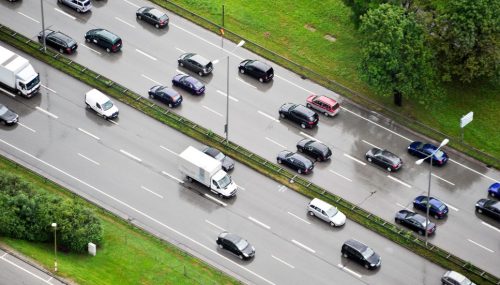
Contraflow systems significantly alter normal traffic patterns, which can lead to delays and congestion.
However, they are designed to ensure a controlled and continuous flow of vehicles despite roadwork or lane closures. Effects on Traffic Flow:
Lane Reductions Lead to Bottlenecks
Fewer lanes on the road result in increased traffic congestion, especially during peak hours. This causes delays as vehicles are forced to slow down and wait to merge.
Lower Speed Limits Slow Movement
Speed reductions are enforced to ensure safety on the road, but they often result in slower traffic flow. As a result, vehicles take longer to reach their destinations, especially during busy periods.
Restricted Overtaking Causes Frustration
When overtaking is limited or prohibited, traffic can become even slower, especially on congested roads. This restriction often leads to frustration for drivers trying to maintain speed and avoid delays.
While contraflow systems may initially seem inconvenient, they are necessary to ensure that essential roadwork can be completed without fully closing motorways.
What Would You Expect to Find at a Contraflow System on a Motorway?
When driving through a contraflow system, you can expect several modifications to the usual motorway layout.
These changes are implemented to ensure safety and traffic continuity while roadworks or repairs are underway.
Drivers must pay extra attention to lane markings, speed limits, and road signs to navigate these areas safely. Here are the cCommon features of a Contraflow System:
Narrowed Lanes
Reduced lane width makes it essential for drivers to maintain lane discipline and avoid drifting. Failure to do so can result in accidents or lane departures.
Traffic Cones and Barriers
These serve as temporary dividers to separate opposing traffic flows and prevent head-on collisions. They help keep traffic moving safely in both directions.
Clear Signage and Road Markings
Lane direction, temporary speed limits, and restrictions are well-marked for driver clarity. Proper signage ensures drivers follow the correct route and comply with temporary rules.
Temporary Speed Limits
Speed is often reduced to 50 mph or lower to improve safety in confined spaces. This helps minimize the risk of accidents in areas with limited space or potential hazards.
Limited Overtaking Opportunities
Due to space constraints, overtaking is usually prohibited in these areas. Drivers must be patient and follow the flow of traffic until it is safe to pass.
Being aware of these features helps drivers stay alert and confident when passing through a contraflow system, reducing the risk of accidents.
What Road Signs and Markings Indicate a Contraflow System?
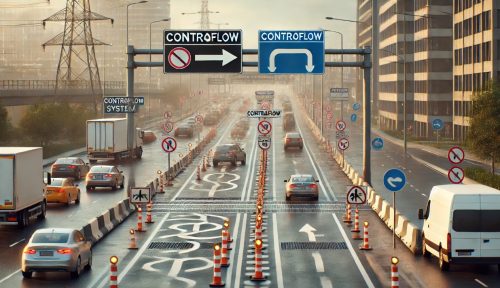
Contraflow systems rely heavily on road signs and markings to inform drivers about lane changes, speed limits, and restrictions.
These signs ensure that motorists stay within the designated lanes and avoid confusion that could lead to collisions.
Key Road Signs
- Contraflow Roadwork Signs: Yellow signs with black arrows and text indicating new lane directions.
- Speed Limit Signs: Displaying the temporary speed restrictions enforced within the contraflow zone.
- Lane Closure Signs: Red crosses indicating that a lane is closed and unavailable for use.
- Keep Left/Right Signs: Directing vehicles on which side of the road to drive.
- No Overtaking Signs: Indicating that overtaking is prohibited due to narrow lanes.
By recognising and adhering to these signs, drivers can safely navigate a contraflow system, minimising risks and avoiding penalties for non-compliance.
What Speed Limits Apply in a Contraflow System?
Speed limits within contraflow systems are lower than normal motorway speeds to enhance safety.
This is necessary due to the reduced lane width, altered traffic flow, and close proximity to roadworks or opposing traffic.
- The typical contraflow speed limit is 50 mph, though it can be lower in high-risk zones.
- Speed cameras are often installed to enforce compliance with the temporary limits.
- Exceeding the speed limit can result in fines, penalty points, and increased risk of accidents.
- Variable speed limits may apply, adjusting to traffic conditions and roadwork progress.
Drivers must always be aware of posted speed limits within a contraflow system and maintain a safe speed to prevent sudden braking or collisions.
What Lane Restrictions Should You Expect?

Contraflow systems often involve lane closures and reduced road space, affecting how traffic moves through the area.
Fewer Lanes than Usual
Some lanes may be closed to accommodate ongoing roadworks, causing increased congestion and delays. This can lead to slower traffic flow and longer journey times.
No Hard Shoulder
Emergency stopping areas may be unavailable or limited, making it harder to pull over in case of an emergency. This could create safety concerns, especially for breakdowns or accidents.
Narrowed Lanes
Less space is provided for each vehicle, requiring more careful steering and heightened alertness. Drivers must pay extra attention to avoid collisions and maintain lane discipline.
Restrictions for Large Vehicles
HGVs and buses may be directed to specific lanes due to width limitations or weight restrictions.
These adjustments can impact traffic flow and may result in slower-moving vehicles in certain areas.
Drivers should plan ahead, stay in their designated lane, and avoid abrupt lane changes to navigate the contraflow system safely.
What Are the Common Hazards in a Contraflow System?
Contraflow systems pose unique risks due to reduced space, temporary traffic arrangements, and potential driver confusion. Hazards to watch out for:
Narrow Lanes Increase Accident Risk
Vehicles are positioned closer together, making precise lane control essential. This raises the likelihood of collisions if drivers don’t maintain focus.
Limited Visibility at Night
Roadworks and unfamiliar lane layouts become harder to see in low light. This increases the risk of accidents due to poor visibility.
Sudden Braking from Other Drivers
Unpredictable traffic flow often leads to drivers suddenly braking. This raises the chances of rear-end collisions, especially in heavy traffic.
Confusion at Entry Points
Drivers may mistakenly enter the wrong lane at junctions. This can create dangerous situations, especially when vehicles need to merge quickly.
To avoid these hazards, maintain a safe following distance, stay alert, and watch for road signs indicating the correct lane direction.
How Can You Drive Safely Through a Contraflow System?

Driving safely through a contraflow system requires extra caution and awareness due to lane reductions and changing traffic patterns.
Safety Tips for Navigating a Contraflow System
- Follow all road signs and speed limits to stay compliant with traffic regulations.
- Keep a safe distance from other vehicles to avoid sudden braking incidents.
- Avoid unnecessary lane changes, as they increase accident risks.
- Stay alert for merging lanes and roadwork barriers that may narrow your path.
- Use dipped headlights at night to improve visibility without dazzling other drivers.
Practising these safe driving habits ensures that you and other motorists can pass through contraflow systems without incident.
What Should You Do If You Miss a Contraflow Lane Change?
Mistakes can happen, and missing a contraflow lane change is a common concern. However, attempting to immediately correct the mistake unsafely can be dangerous.
What to Do If You Miss the Lane Change
- Stay calm and continue driving in your current lane until a safe exit appears ahead.
- Do not make sudden lane changes or attempt to cross traffic lanes abruptly at high speeds.
- Follow diversion signs carefully to rejoin the correct route at the next available opportunity safely.
- Use indicators early to alert other drivers of your intended lane shift in advance.
By staying composed and following road signs, you can safely re-enter the correct traffic lane without causing disruption or increasing accident risks.
What Are the Legal Implications of Driving Incorrectly in a Contraflow System?

Failure to follow contraflow system regulations can result in penalties, fines, and even points on your driving licence.
Legal Consequences of Non-Compliance
- Fines for speeding or incorrect lane use: Exceeding the posted speed limit or using a restricted lane can result in a fixed penalty notice.
- Penalty points on your licence: Serious infractions may add 3 to 6 points to your driving record.
- Increased insurance costs: Traffic violations in contraflow systems may lead to higher insurance premiums.
- Possible court action: If reckless driving occurs, drivers could face legal prosecution.
To avoid these consequences, drivers should always follow road signs, obey speed limits, and stay within designated lanes in a contraflow system.
What’s the Future of Contraflow Systems and Smart Motorway Innovations?
The future of contraflow systems is evolving with the integration of advanced technology to improve both safety and traffic efficiency.
One key development is the use of advanced traffic management systems, which help enhance the overall effectiveness of contraflow setups by better managing traffic flow.
Smart motorways, with their ability to dynamically adjust speed limits and lane usage, play a crucial role in reducing congestion and improving travel times.
Additionally, automated lane guidance systems are expected to play a significant part in future roadwork zones, providing better traffic control and reducing the risk of accidents.
Real-time digital road signs will also provide timely updates to drivers, offering guidance and warnings as traffic conditions change.
As motorway technology continues to develop, contraflow systems will become safer, more efficient, and better equipped to minimise delays while enhancing overall road safety.
Conclusion
Contraflow systems play a vital role in UK motorway management, allowing roadworks and maintenance to proceed while keeping traffic moving.
Understanding lane restrictions, speed limits, hazards, and safety precautions can help drivers navigate these temporary arrangements confidently.
By following the Highway Code, obeying road signs, and remaining vigilant, motorists can reduce accident risks and travel smoothly through contraflow systems.
Staying informed about evolving traffic management strategies ensures safer and more efficient journeys on UK roads.
FAQs
How do contraflow systems differ from standard motorway lanes?
Contraflow systems change the usual traffic flow, often redirecting vehicles into opposing lanes, unlike standard motorway lanes that follow a fixed direction.
Are contraflow systems permanent or temporary?
Contraflow systems are typically temporary and used for roadworks, emergency repairs, or accident management, though some may be in place for extended periods.
Can HGVs and buses use contraflow lanes?
In most cases, HGVs and buses are advised to use specific lanes within the contraflow system, depending on the road layout and restrictions in place.
Do contraflow systems increase traffic congestion?
Yes, contraflow systems can cause congestion due to lane reductions and speed restrictions, but they are designed to maintain traffic flow safely.
What should you do if you miss a contraflow lane change?
If you miss a contraflow lane, remain in your current lane and follow the signs for the next safe exit or diversion rather than making abrupt lane changes.
Are contraflow systems monitored by traffic cameras?
Yes, many contraflow systems have CCTV monitoring and speed cameras to enforce traffic regulations and ensure compliance with speed limits.
How do contraflow systems impact emergency vehicle access?
Emergency vehicle access can be restricted due to reduced lane width, but designated routes are usually provided for emergency services.
