




Table of Contents
Last Updated: 10.06.2026
Owning a classic car in the UK comes with unique benefits, especially when it comes to road tax and MOT testing. If you’re wondering how old a car has to be to be tax exempt, you’re not alone.
With ongoing updates from the Driver and Vehicle Licensing Agency (DVLA), many vehicle owners are looking for clear, reliable information about vehicle age-based exemptions.
This comprehensive guide outlines the current laws, eligibility requirements, application process, and practical implications of vehicle tax and MOT exemption for cars in the UK.
Summary: In the UK, a vehicle becomes eligible for historic vehicle tax exemption on April 1st each year, provided it was built or first registered more than 40 years ago.
This is a rolling exemption; as of April 1, 2026, cars built before January 1, 1986, are exempt from paying Vehicle Excise Duty (VED). Note that this is not automatic, you must apply to the DVLA to reclassify your vehicle to the ‘historic’ tax class to stop paying.
Key Takeaways:
- The 40-Year Rule: A vehicle becomes tax exempt on April 1st of the year after it turns 40 years old. This is a rolling exemption.
- Manual Application Required: Exemption is not automatic; you must apply to the DVLA to reclassify your vehicle to the ‘historic’ tax class.
- Annual Renewal: Even at a £0 rate, you must renew your tax classification every year.
- MOT Exemption: Vehicles over 40 years old are generally MOT exempt, provided they have not undergone “substantial changes” in the last 30 years.
- Roadworthiness: Exemption from testing does not remove the legal duty to keep a vehicle safe. Driving an unsafe vehicle is a punishable offense.
- No 25-Year Exemption: The 25-year threshold applies to insurance or event criteria, not DVLA tax or MOT exemptions.
- Verification: Check your vehicle’s official status using the DVLA Vehicle Enquiry Service.
- Required Documentation: Application typically requires your V5C log book, a V112 declaration form for MOT exemption, and your V11 tax reminder.
What Does Vehicle Tax and MOT Exemption Mean in the UK?
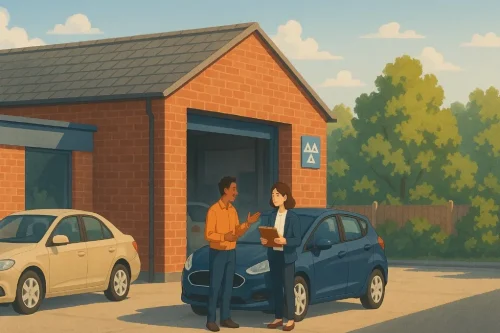
In the UK, most drivers are legally required to pay Vehicle Excise Duty (VED), commonly referred to as road tax. Additionally, an annual MOT (Ministry of Transport) test is mandatory for vehicles over three years old to ensure roadworthiness and safety.
However, vehicles that meet specific age and modification criteria can qualify for exemptions from both VED and MOT testing. These exemptions are not granted automatically and involve certain conditions and application processes.
The DVLA regulates these exemptions, and while they offer substantial financial and administrative relief, they also come with responsibilities to maintain safety and compliance.
When Does a Car Become Tax Exempt in the UK?
A car becomes eligible for tax exemption once it reaches 40 years of age, based on the date it was first registered. This rule is rolling, meaning each year, more vehicles qualify as they turn 40.
For example:
| Date of Manufacture | Tax Exempt From |
| Before 1 January 1985 | 1 April 2025 |
| Before 1 January 1986 | 1 April 2026 (Current Rule) |
| Before 1 January 1987 | 1 April 2027 |
The exemption applies to Vehicle Excise Duty (VED) and starts from 1 April of the year following the car’s 40th anniversary.
However, you must apply to the DVLA for your vehicle to be reclassified under the ‘historic vehicle’ tax class to benefit from this exemption.
Annual Renewal Still Required
Even though there is no cost involved, owners are still required to renew their vehicle tax each year to declare whether the vehicle is in use or off the road (via a Statutory Off Road Notification – SORN).
When Is a Vehicle Exempt from MOT Testing?
According to the DVLA, vehicles over 40 years old are generally exempt from annual MOT testing, provided they have not undergone substantial changes in the past 30 years.
This exemption, like the tax exemption, follows a rolling basis and includes most cars, vans, and motorcycles that meet the age criteria and retain their original specifications.
MOT Exemption Eligibility Criteria
To qualify for MOT exemption:
- The vehicle must be over 40 years old
- It must not have been substantially changed in terms of chassis, engine, suspension, or body
- It must be registered under the historic tax class
- A formal MOT exemption declaration must be made
Maintaining Roadworthiness
It’s crucial to understand that exemption from MOT testing does not exempt a vehicle from being roadworthy. Driving an unsafe vehicle can result in fines of up to £2,500, three penalty points, and even a driving ban.
Therefore, even if an MOT is not required, regular servicing, safety inspections, and proper maintenance remain a legal obligation.
Are Vehicles Over 25 Years Old Tax or MOT Exempt?
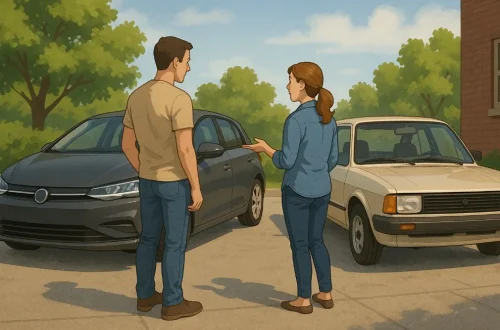
This is a common point of confusion. No, vehicles that are only 25 years old are not automatically exempt from tax or MOT testing under current UK law.
The 25-year benchmark was relevant to insurance classification as classic cars or for specific events, but the official exemption criteria under DVLA regulation is strictly set at 40 years.
Some insurance providers may offer classic car policies to vehicles over 20 or 25 years old, but this should not be confused with government exemptions. For tax and MOT purposes, always refer to the 40-year rule and verify details with the DVLA.
What Counts as a “Substantial Change” to a Vehicle?
The MOT exemption is only applicable if the vehicle has not been substantially modified. The DVLA provides specific guidance on what constitutes a “substantial change,” and this assessment is critical to determining exemption status.
Components Considered as Substantial Modifications
Significant changes to the chassis, body shell, engine, suspension, or braking system that alter the way the vehicle works, its structure, or safety may disqualify a vehicle from exemption.
Restoration projects involving major alterations or engine replacements should be carefully reviewed.
Permissible Modifications That Do Not Affect Exemption
Some changes are allowed and will not affect exemption eligibility, such as:
| Component | Allowed Changes |
| Brakes | Upgraded discs, pads, or brake lines |
| Suspension | Modern replacements for comfort or safety |
| Electrical | Installation of modern lights, audio systems, or battery |
| Interior | Upholstery changes, dashboard upgrades, non-structural mods |
It’s advisable to consult a classic car specialist or MOT-certified mechanic if you’re unsure whether your vehicle’s modifications fall within DVLA’s permitted scope.
How Do You Apply for Tax and MOT Exemption with the DVLA?

Applying for historic tax and MOT exemption involves a few steps and some paperwork, but it’s a straightforward process for most owners.
Pro-Tip: The V112 Form: When visiting a Post Office to change your tax class, bring a completed V112 declaration form.
While some staff are familiar with the process, having this form ready acts as your official declaration that the vehicle is exempt from MOT testing due to its age and original specification. If you are taxing online, you will simply tick the exemption box during the checkout process.
Reclassifying Your Vehicle to the Historic Tax Class
To begin, you must apply to change your vehicle’s tax class to ‘historic’. This is done by completing a V5C log book update, either online or by post.
Documents typically required include:
- V5C registration certificate
- V112 declaration form for MOT exemption
- V11 tax reminder letter (if applicable)
- Proof of the vehicle’s build or registration date
Once approved, the DVLA will send you a new logbook reflecting your vehicle’s new classification and exemption status. The process may take a few weeks, so apply in advance if you need confirmation before tax renewal deadlines.
Declaring MOT Exemption
When you tax your vehicle (even if the cost is £0), you’ll need to submit the MOT exemption declaration. This is usually done by presenting the V112 form at a local Post Office or using the DVLA’s online platform.
Although not mandatory, it’s strongly recommended to get a mechanical inspection before declaring your car as exempt. This confirms that it meets safety standards and hasn’t undergone disqualifying modifications.
What Are the Financial Benefits of Tax and MOT Exemption?
The financial incentives for qualifying vehicles are notable, making classic vehicle ownership more accessible and cost-effective.
| Benefit | Explanation |
| Tax Savings | No VED payment required (typically £180–£300 per year saved) |
| MOT Test Cost Savings | MOT tests cost around £50 annually |
| Insurance Premiums | Classic car insurance is often cheaper, especially for low-mileage use |
| Lower Depreciation | Older vehicles typically hold stable value compared to newer cars |
| Maintenance Flexibility | DIY maintenance options are more feasible with older vehicles |
These savings, especially over the long term, make historic vehicles an appealing option for collectors, hobbyists, and even casual drivers.
What Legal Responsibilities Remain for Owners of Exempt Vehicles?
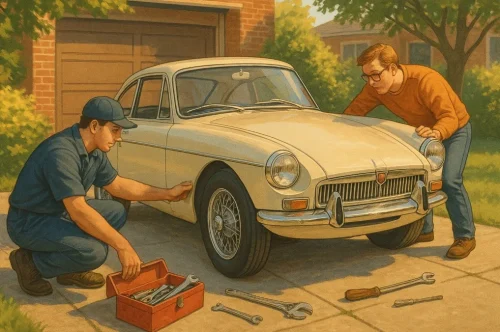
While exemptions offer flexibility, they also place more responsibility on the vehicle owner.
All exempt vehicles must still be:
- Insured: Regardless of exemption status, insurance is a legal requirement.
- Roadworthy: Owners are responsible for ensuring the vehicle is safe to drive.
- Registered accurately: Tax class and MOT exemption must be properly declared and documented.
- SORN-declared: If a vehicle is not being driven, you must inform the DVLA through a Statutory Off Road Notification.
Driving a vehicle that is unsafe, uninsured, or incorrectly classified could lead to legal penalties, invalidate insurance, or result in the loss of MOT and tax exemptions.
MOT vs. Tax Exemption – What’s the Difference?
Understanding the distinction between tax exemption and MOT exemption is crucial, as the two processes are separate and independently governed.
| Criteria | Tax Exemption | MOT Exemption |
| Age Requirement | 40 years | 40 years |
| Governing Body | DVLA | DVLA |
| Requires Substantial Change Check | No | Yes |
| Application Needed? | Yes | Yes |
| Rolling Basis? | Yes | Yes |
| Roadworthiness Still Required? | Yes | Yes |
Even though both exemptions are triggered by the same age threshold, you must apply for each separately, and one does not automatically guarantee the other.
Conclusion
Understanding how old a car has to be to be tax exempt in the UK is essential for any classic car owner or buyer.
With the 40-year rule, historic vehicles enjoy substantial financial and administrative benefits, but only when the correct procedures are followed.
From tax savings to MOT exemptions, and from insurance benefits to resale value, historic vehicle ownership can be both rewarding and practical. However, owners must remain vigilant in maintaining roadworthiness and ensuring accurate documentation with the DVLA.
Whether you’re restoring a classic, buying a vintage car, or simply curious about your vehicle’s status, staying informed ensures you can enjoy the perks of motoring history legally and safely.
Frequently Asked Questions
Are vehicles over 25 years old tax exempt in the UK?
No. Only vehicles that are 40 years old or older are eligible for Vehicle Excise Duty exemption. The 25-year threshold may apply to insurance classifications or event eligibility, but not for official DVLA exemptions.
How do I get a MOT exemption?
Ensure your vehicle is over 40 years old, confirm it hasn’t undergone substantial changes, and complete the MOT exemption declaration form with the DVLA. If in doubt, consult a certified mechanic.
Can I drive a historic vehicle without renewing its tax each year?
No. Even though you don’t pay a fee, you are legally required to renew the tax classification each year through the DVLA.
How can I check if my car is tax-exempt?
The most reliable way to check your vehicle’s status is by using the official DVLA Vehicle Enquiry Service. By entering your registration number, you can see if your vehicle is currently taxed, under a SORN, or already classified as ‘Historic
Does MOT exemption mean I can skip maintenance?
Absolutely not. You are legally responsible for keeping the vehicle safe and roadworthy, regardless of MOT exemption. Driving a dangerous car can result in significant penalties.
Are imported classic vehicles eligible for UK exemptions?
Possibly. Imported vehicles must meet the same 40-year rule and DVLA requirements. Age verification and original documentation are critical for approval.
Can I voluntarily get an MOT for an exempt vehicle?
Yes. Many owners of exempt vehicles choose to get voluntary MOTs for peace of mind or to ensure safety. It’s especially recommended before long trips or after periods of disuse.